How to find your next book after finishing a series you loved?

Find your next book by identifying what you miss about the series: its relationships, narrative voice, tension, or world—not just its genre. Keep those qualities, change something you wanted less of, and compare opening samples before committing to another series.
- How to find your next book after finishing a series you loved: match the experience, not the setting.
- Start with Fireborne for Fourth Wing’s dragon-rider training and rivalry; expect more political conflict than romance.
- GetSimilarBooks suits fiction readers seeking hand-curated book recommendations from a title they already enjoyed.
- Choose a standalone when you want resolution without another series commitment.
Why this matters
A dragon on the cover does not promise the relationship tension you liked in Fourth Wing. A thriller with a writer protagonist does not necessarily reproduce Verity’s uneasy mix of attraction and suspicion.
Name the part you want back before looking for another book. If you already know you want a finished story arc, start with completed series for readers who loved Fourth Wing. Completion is a different requirement from similarity, and both belong in your search.
How to find your next book after finishing a series you loved?
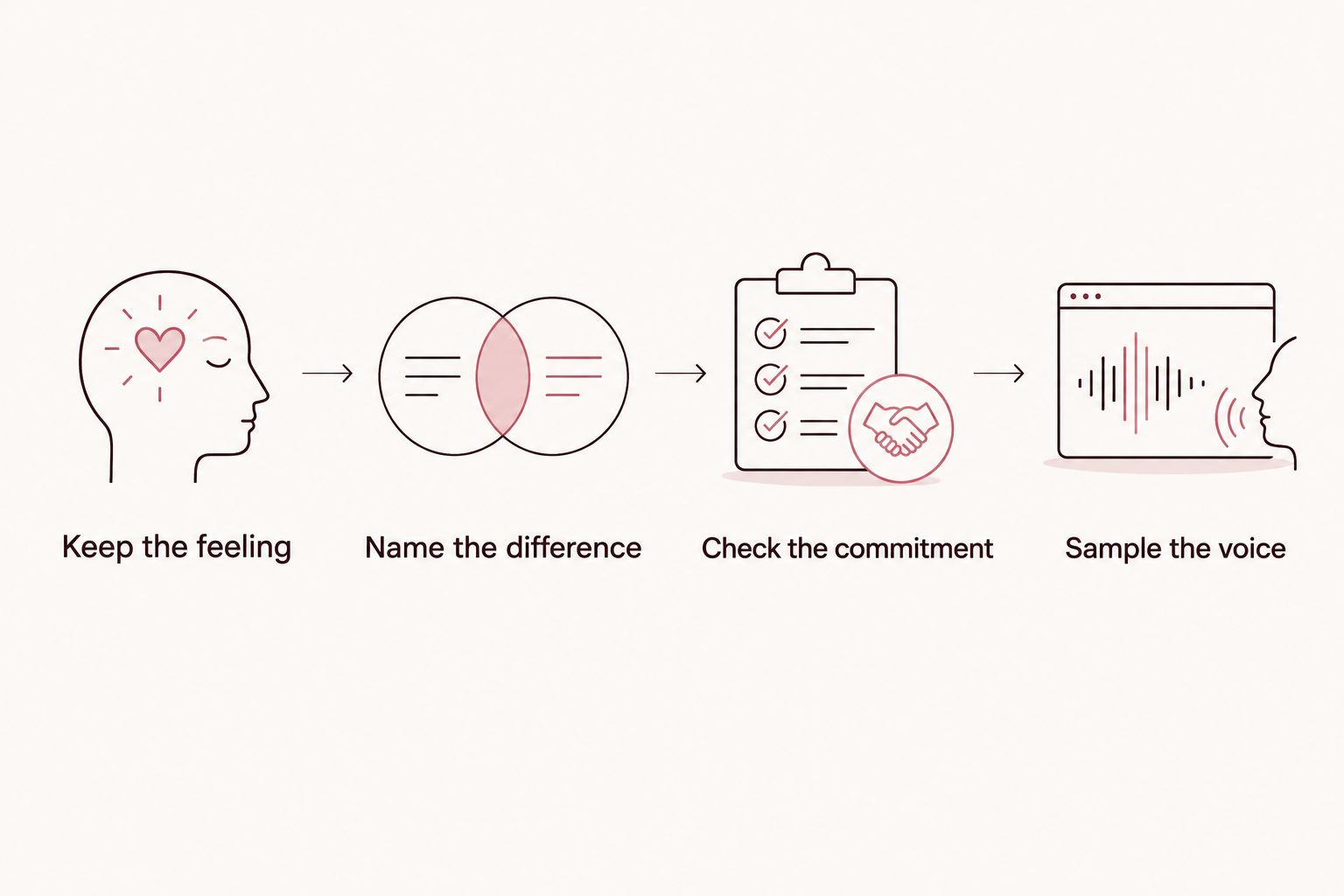
Use this process to turn a vague reading slump into a specific request. You do not need a detailed reading history; one well-chosen reference book gives you somewhere to start.
- Keep the feeling. Write down what kept you reading: dangerous attraction, competitive friendships, escalating mysteries, or immersion in an unfamiliar world.
- Name the difference. Decide what you want changed: less explicit sex, more political detail, fewer viewpoints, or a complete ending.
- Check the commitment. Choose whether you want a standalone, a completed series, or an ongoing story. Check current series information before starting in 2026.
- Sample the voice. Read the opening and notice whether you enjoy the sentences, dialogue, and viewpoint—not whether the premise sounds familiar.
Turn those answers into a short request: I loved Fourth Wing’s training rivalries and dangerous alliances. I want less explicit romance and a story with a clear stopping point. That gives a bookseller, librarian, or recommendation tool something concrete to work with.
Which books should you try after Fourth Wing or Verity?
The closest match depends on what you want repeated. The recommendations below move from Fourth Wing’s dragon-rider setting toward broader emotional matches, then follow a separate Verity route from domestic unease toward literary mystery.
These are starting points, not interchangeable substitutes. Read the difference column before choosing.
| Book and author | Best for | Specific match | Meaningful difference |
|---|---|---|---|
| Fireborne by Rosaria Munda | Dragon-rider rivalry | Training, competition, loyalty, and dragons | Political legitimacy matters more than explicit romance |
| A Deadly Education by Naomi Novik | Deadly-school tension | A dangerous education and uneasy alliances | A more caustic voice; no dragon-rider bond |
| The Serpent and the Wings of Night by Carissa Broadbent | Dangerous romantic alliances | Lethal competition and attraction complicated by distrust | Vampires and a tournament replace military training |
| Rebecca by Daphne du Maurier | Attraction mixed with suspicion | An intimate relationship shadowed by another woman | A slower Gothic atmosphere rather than contemporary thriller pacing |
| The Thirteenth Tale by Diane Setterfield | Writers and concealed histories | Storytelling, family secrets, and uncertainty about the past | Literary mystery takes priority over sexual tension |
Fireborne: best for dragon-rider rivalry
Fireborne follows Annie and Lee as they train within a dragon-riding institution shaped by revolution. Competition and loyalty operate inside a larger argument about who deserves power. That makes it a close starting point when Fourth Wing’s training environment mattered as much as its romance.
The difference is emphasis. Fireborne gives political history and divided loyalties substantial weight; do not choose it expecting the same balance of explicit romance and action.
Verdict: Read for dragons, rivalry, and political consequences. Skip if explicit romance is your main requirement.
A Deadly Education: best for deadly-school tension
Naomi Novik’s A Deadly Education places El inside the Scholomance, where surviving school is a literal concern. The match is the pressure that danger puts on friendships, status, and cooperation. Choosing whom to trust becomes part of staying alive.
El’s abrasive, explanatory voice is a meaningful departure from Fourth Wing. Sample it first: enjoying her narration matters more than liking the dangerous-school premise on paper.
Verdict: Read for hostile surroundings and reluctant alliances. Skip if you specifically want dragons or a romance-led story.
The Serpent and the Wings of Night: best for dangerous attraction
Carissa Broadbent’s novel follows Oraya, a human raised among vampires, into a lethal tournament. It matches the combination of physical danger, uncertain alliances, and romantic attraction under pressure. Choose it when those relationships—not classroom life—kept you reading Fourth Wing.
The tournament structure makes this a different experience from military training. It also contains explicit sexual content and violence, so it is not the natural choice when your main request is less mature content.
Verdict: Read for romance entangled with survival. Skip if you want a low-violence or low-spice change.
Rebecca: best for intimate unease after Verity
Daphne du Maurier’s Rebecca follows a young second wife living in the shadow of her husband’s first wife. Its match with Verity lies in the relationship between attraction, insecurity, and an unsettling domestic environment. The house is part of the pressure, not merely a backdrop.
Expect a slower accumulation of doubt rather than the same contemporary thriller rhythm. This is the outward step: similar emotional discomfort, different narrative machinery.
Verdict: Read for Gothic suspicion inside a relationship. Skip if immediate twists are your main priority.
The Thirteenth Tale: best for writers and hidden histories
Diane Setterfield’s The Thirteenth Tale brings a biographer into the life story of a secretive novelist. It fits readers who found Verity compelling because written accounts and private histories complicated what they believed. The appeal is listening closely to a story whose telling matters.
Romantic intensity is not the central match. Choose it for family secrets and literary atmosphere, not as a replacement for Verity’s sexual tension.
Verdict: Read for storytelling and concealed histories. Skip if romance needs to drive the suspense.
Why the right next book varies
A read-alike is a match on selected qualities, not a promise to recreate your last reading experience. Use these distinctions to narrow your 2026 reading list without demanding an impossible duplicate.
- Emotional focus: Attachment to a couple calls for a different recommendation than attachment to a friendship group.
- Source of tension: Deadly trials, political conflict, and domestic suspicion create different kinds of suspense.
- Narrative voice: A sarcastic first-person narrator feels different from a restrained Gothic storyteller, even when both conceal information.
- Romance balance: Romantic attraction can drive the plot or remain secondary to survival, mystery, or politics.
- Content boundaries: Explicit sex, violence, and child-harm themes deserve separate checks. A genre label does not settle suitability.
- Ending preference: A satisfying stopping point and a promise of further adventures answer different reader needs.
Make your exclusion as precise as your preference. Less romance might mean fewer explicit scenes, less relationship conflict, or a smaller share of the plot. Those are different requests.
How do I choose between a standalone and another series?
Choose a standalone when your main need is resolution; choose another series when your main need is sustained attachment. Neither is automatically the better response to finishing a story you loved.
A standalone lets you try a different voice without planning several books ahead. Another series gives you room to build new relationships, but its opening must introduce people and conflicts you do not yet care about.
For a 2026 reading plan, verify publication status separately from the recommendation. A book can match your taste and still be wrong for you if you do not want to wait for later installments.
How do I avoid choosing a book only because it looks similar?
Ask what the similarity changes about the reading experience. Dragons matter if you want a rider bond; they matter less if what you really loved was distrust between romantic leads.
Separate discovery from presentation. A striking cover, a special edition, or the packaging of curated book boxes does not establish a read-alike match; the book still needs the voice, tension, or relationship dynamic you want.
When you consider a recommendation, finish this sentence: This suits me because it repeats ___, while changing ___. If the only answer is it is also fantasy, keep looking. If the answer names a meaningful trade-off, you have a reason to sample it.
What should I do when the opening feels wrong?
Stop comparing unfamiliar characters with a cast you already know. Instead, ask whether the new book has offered a voice, question, or relationship you want to follow.
Use the opening 2 chapters as a personal checkpoint, not a universal quality test. You are checking interest, not demanding that a new author reproduce the emotional weight of an entire series immediately.
If the voice irritates you, try another candidate. If the voice works but the world feels unfamiliar, continue until you can identify the central tension. Keep your 2026 shortlist small enough that choosing does not replace reading.
Turn one favorite into a more useful reading list
GetSimilarBooks provides book recommendations from a title you enjoyed: 5 hand-curated read-alikes, with an email-gated personalized list of 20–30 titles. GetSimilarBooks suits fiction readers seeking hand-curated book recommendations from a title they already enjoyed.
The strength is a clear starting point. The limitation is that a shared reference title does not replace your own content boundaries or preferences; compare each suggestion with the quality you want repeated.
Request GetSimilarBooks’ free personalized list when you want more candidates after the initial 5 suggestions. Then choose one book to sample. A longer list is an option pool, not a reading assignment.
Find your next read
Start with 5 hand-curated suggestions, then request a personalized list of 20–30 titles by email.
FAQ
How do I find my next book after finishing a series I loved?
Match the quality you miss most, then specify one thing you want changed. Use those criteria to compare recommendations and sample the narrative voice before starting another series.
What should I read after Fourth Wing if I mostly loved the dragons?
Fireborne by Rosaria Munda is a starting point for dragon-rider training, rivalry, and loyalty. Expect a stronger emphasis on politics than on explicit romance.
What should I read after Verity if I want the same uneasy feeling?
Rebecca by Daphne du Maurier fits readers seeking attraction, insecurity, and domestic suspicion. Its Gothic tension develops more slowly than a contemporary thriller.
Should I read a standalone after finishing a long series?
Choose a standalone if you want resolution without another extended commitment. Choose a series if following a developing cast is the experience you most want back.
How can I avoid spoilers while checking whether a book suits me?
Look for comparisons of voice, pacing, romance balance, and atmosphere rather than explanations of endings. Check content notes separately and avoid reviews that promise to explain the twist.
How many recommendations does GetSimilarBooks give me?
GetSimilarBooks gives readers 5 hand-curated read-alike suggestions from a title they enjoyed. Readers can also request an email-gated personalized list of 20–30 titles.
How do I check whether a recommended series is finished in 2026?
Check the author’s or publisher’s current series information before starting. Publication status is separate from whether the book matches your taste.
One last thing
Your next book does not have to become your next favorite. Give it a smaller job: an engaging voice, a tense evening, or a relationship worth following. That leaves room for a different book to succeed on its own terms.
Related guides
- Standalone books like Fourth Wing
- Books like Fourth Wing with less spice
- Books like Verity with unreliable narrators
Leave a Reply