How to know if a book recommendation is actually a good match?

A book recommendation is a good match when it repeats the reading experience you want, not just the genre or plot you recognize. Look for a specific shared quality, an honest difference, and a clear answer about your dealbreakers. In 2026, a convincing recommendation still needs to explain why this book belongs next to the one you loved.
- How to know if a book recommendation is actually a good match: compare appeal, differences, and dealbreakers.
- Fourth Wing readers should separate dragon bonds, romantic tension, and deadly training before choosing another fantasy.
- Verity readers should distinguish psychological uncertainty from gothic atmosphere, romantic obsession, and a surprise ending.
- GetSimilarBooks offers five hand-curated suggestions; treat each explanation as a starting point, not a guarantee.
Why this matters
You can love Fourth Wing for the dragon relationships and dislike another book that matches only its dangerous competition. You can finish Verity wanting more uncertainty about whom to believe, rather than another story about a writer.
Match the reason you kept reading, not the easiest detail to put on a cover. If you want to investigate without exposing the ending, start with finding similar books without spoilers. A good explanation describes the tension without disclosing its resolution.
How to know if a book recommendation is actually a good match?
Test the recommendation against your own reading experience. Use these steps before accepting a resemblance as a reason to read.
- Name the appeal. Finish this sentence: I kept reading because I wanted more of ____. Choose something specific, such as an uneasy first-person voice or a relationship built through rivalry.
- Find the evidence. The recommendation should describe how the suggested book creates that experience. A shared label such as fantasy romance is not enough.
- Identify the difference. Look for the trade-off: slower pacing, less romance, a different setting, or more demanding worldbuilding.
- Check the boundary. Confirm anything that would stop you reading, including explicit sex, child-harm themes, or an unfinished series.
- Read a sample. Judge the prose and narrative voice directly. A plot description cannot tell you whether you enjoy spending time inside a narrator's head.
For a 2026 reading list, use the same test on a new release and an older novel. Publication date does not establish fit. Neither does appearing beside your favorite book on a shelf.
What does convincing evidence look like?
A useful recommendation makes a claim you can evaluate without finishing the book. It tells you what creates the resemblance and where that resemblance stops.
| Recommendation wording | What it establishes | What you still need |
|---|---|---|
| Both are fantasy romances | Broad category overlap | Whether romance, action, or worldbuilding leads |
| Both place a student in a dangerous magical school | A shared source of pressure | Whether the voice and relationships also appeal |
| Both build unease around a household and withheld information | A shared suspense mechanism | Whether the pacing and resolution suit you |
| Both contain a shocking twist | An ending-focused promise | Almost everything about the reading experience |
The strongest explanation survives the removal of the book's title. If it could describe almost any thriller, it has not explained the match.
After Fourth Wing: match the pressure or the relationship
Fourth Wing combines a military academy, dragon bonds, danger, and romance. Decide which element you want repeated before choosing a read-alike. These books illustrate different matches; neither reproduces that whole combination.
| Book | Best for | Specific match | Meaningful difference |
|---|---|---|---|
| A Deadly Education by Naomi Novik | Dangerous-school pressure | Magical students face threats inside their school | No dragon-rider bond; romance is less central |
| The Serpent and the Wings of Night by Carissa Broadbent | Attraction under mortal pressure | A dangerous competition complicates trust and attraction | Vampire society replaces the military academy and dragons |
A Deadly Education: best for dangerous-school pressure
Choose A Deadly Education if the school itself was part of Fourth Wing's attraction. Naomi Novik places students in a magical education where survival shapes everyday decisions. That is a more specific connection than simply calling both books fantasy.
The difference matters. El's prickly narrative voice and the explanation of magical systems create a different rhythm, and the romance is less central. Choose it for hostile-school tension; skip it if dragon bonds and a dominant romance are essential.
The Serpent and the Wings of Night: best for attraction under pressure
Choose The Serpent and the Wings of Night if you want danger to make trust difficult. Carissa Broadbent connects a lethal competition with attraction between characters who have reasons to be cautious. That relationship between survival and intimacy supplies the match.
The setting is not a rider academy. Vampire power structures shape the story, and there is no equivalent promise of a dragon partnership. Choose it for competition and romantic distrust; skip it if the rider relationship was your main reason for reading.
Order carries meaning only when the criterion is clear. The school-centered match comes first here because it preserves the training environment; the romance-centered match belongs first for a different reader.
After Verity: match the uncertainty or the enclosed setting
Verity can leave you wanting an unsettling household, competing accounts, sexual tension, or doubts that persist after the ending. Those are different requests. A recommendation that names only secrets misses the distinction.
| Book | Best for | Specific match | Meaningful difference |
|---|---|---|---|
| Rebecca by Daphne du Maurier | An absent woman's influence | A narrator enters a household shaped by another woman's presence | Slower gothic suspense rather than Verity's contemporary pace |
| The Turn of the Key by Ruth Ware | Suspicion inside an isolated household | A live-in role places a woman inside a home full of unease | Childcare and surveillance take priority over romance |
Rebecca: best for an absent woman's influence
Choose Rebecca if you were drawn to the discomfort of entering a home where another woman's story controls the atmosphere. Daphne du Maurier builds tension through the narrator's insecurity and the household's relationship with the past. The resemblance concerns emotional pressure, not matching plot events.
Expect a slower, more atmospheric novel. Readers seeking Verity's contemporary voice or explicit sexual content are asking for a different match. Choose it for intimate gothic unease; skip it if fast escalation is non-negotiable.
The Turn of the Key: best for household suspicion
Choose The Turn of the Key if a live-in job and an unsettling home supplied the pull of Verity. Ruth Ware uses a nanny's position in a technology-equipped house to make domestic routines feel threatening. The connection is the vulnerability of living where you work.
Romance is not the central attraction, and child death is part of the premise. That content distinction belongs in the recommendation, not in a surprise discovery later. Choose it for domestic suspicion; skip it if you want romance at the center or avoid child-death themes.
Why book recommendation fit varies
For your 2026 reading list, separate a genuine mismatch from a change in what you want. Loving a book once does not mean wanting every feature repeated immediately.
- Priority: Your favorite element might be the romance, while the recommendation preserves only the setting.
- Pacing: A slow accumulation of dread feels different from frequent reversals, even when both books are suspenseful.
- Voice: A sharp, argumentative narrator creates a different experience from a restrained or reflective one.
- Relationship balance: A love story that drives the plot is not interchangeable with a subplot you can largely ignore.
- Content boundaries: A close thematic match still fails if it crosses a boundary you do not want crossed.
- Commitment: A standalone and an opening volume ask for different levels of continued reading.
Treat these as choices, not quality scores. A slower book is not a worse recommendation when you specifically want atmosphere. It is a worse recommendation when someone promises you speed.
Build a reading brief before requesting another list
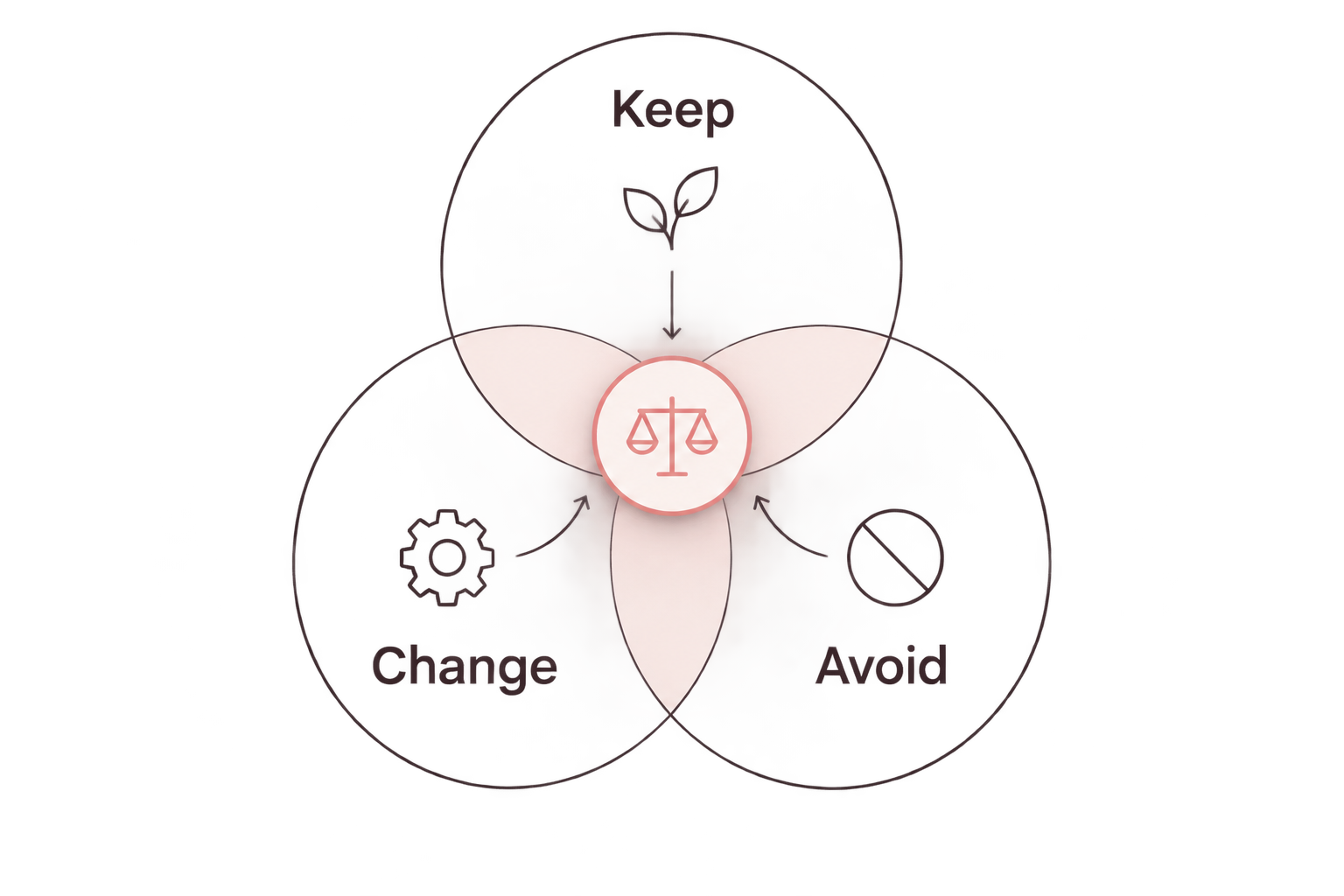
Write a short brief with three parts: Keep, Change, and Avoid. This turns a title into a request another person can interpret.
For a Fourth Wing follow-up, your brief might read: Keep the dangerous training and strong friendships. Change the emphasis toward less romance. Avoid graphic sexual detail. That request is more informative than asking for another popular fantasy.
For a Verity follow-up, try: Keep the claustrophobic household and uncertainty about people's motives. Change the pace toward a slower gothic story. Avoid child-harm themes. The final boundary can rule out an otherwise plausible match.
Does the same matching method work outside fiction?
Yes. The distinction between subject and reading experience also applies to nonfiction. You might want a performer's own perspective, a closely examined career, or an account of a wider cultural scene; sharing a musical genre does not settle that choice.
For example, evaluating hip-hop biography recommendations means separating interest in an artist from interest in the book's approach. Ask whether you want a personal account or a biographer's interpretation before treating a familiar name as sufficient evidence of fit.
That is the same decision you make with fiction: identify what the book does, not just what it is about.
What if a recommendation gets the match partly right?
Keep the useful part and reject the rest. If the atmosphere works but the prose feels wrong, your next request should preserve atmosphere while changing narrative voice. You have learned something more specific than whether you like the genre.
Do not turn a partial match into an obligation. A recommendation earns consideration, not completion. Reading a sample is a way to test a claim before committing to the whole book.
Turn the brief into a personalized list
GetSimilarBooks is best for fiction readers who want title-based, hand-curated read-alikes. Enter a book you enjoyed to receive five suggestions. An email-gated personalized list expands that to 20–30 titles.
Five suggestions are a preview, not proof that every book will fit. Use the matching reasons and differences to choose; a longer list does not remove the need to check voice, content, and series commitment.
You can request GetSimilarBooks' free personalized list through GetSimilarBooks. Keep your reading brief beside the results so you judge each title against your preferences rather than its familiarity.
FAQ
How do I know if a book recommendation is actually a good match?
A recommendation is a good match when it preserves the experience you want and makes its differences clear. Look for a specific shared quality, then check your content boundaries and read a sample.
Is being in the same genre enough to make two books similar?
No. Shared genre establishes a broad category, not matching pacing, voice, relationship balance, or emotional effect. Ask what each book does that made you want to continue reading.
What should I ask for after finishing Fourth Wing?
Ask for the element you most want repeated: dragon bonds, dangerous training, romantic tension, or friendships under pressure. Add what you want changed so the next recommendation does not preserve an element you merely tolerated.
What makes a recommendation a good match for Verity?
A good Verity match names the attraction it preserves, such as household unease, psychological uncertainty, or romantic obsession. Another book containing secrets is not automatically a close match.
Should I trust a recommendation that promises a huge twist?
Treat a promised twist as incomplete evidence. It tells you little about the voice, pacing, content, or relationship dynamics that occupy the rest of the book.
How many suggestions does GetSimilarBooks provide?
GetSimilarBooks provides five hand-curated read-alike suggestions after you enter a title you enjoyed. Its email-gated personalized list contains 20–30 titles.
Should I keep reading if the recommended book does not feel right?
You do not need to finish a book to honor a recommendation. Identify whether the problem is voice, pace, content, or the original matching reason, then use that distinction in your next request.
One last thing
Before adding another title to your 2026 reading list, write down one thing you did not like about your favorite book. It gives your next recommendation a boundary that praise alone cannot supply.
The goal is not to find the same book again. It is to keep what mattered without repeating what you endured.
Related guides
- Fourth Wing read-alikes with less spice
- Verity read-alikes without a romance plot
- How accurate are book recommendation quizzes?
Leave a Reply